
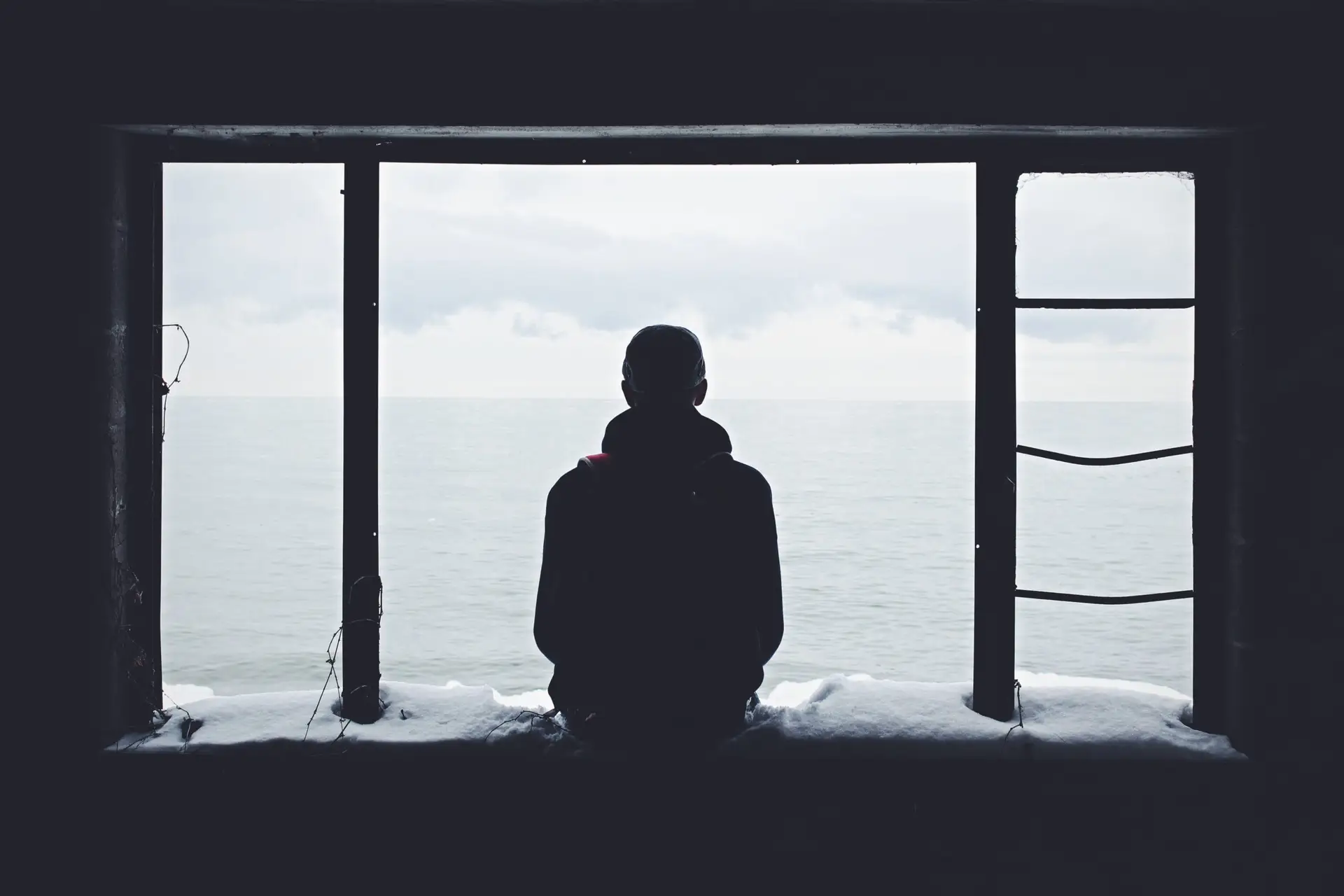
“Depression is the most unpleasant thing I have ever experienced.”
— William Styron
Most of us feel low from time to time — a hard week at work, the ache of a break-up. Feeling down when life is difficult is normal, and once the difficult situation passes, most people return to feeling like themselves again.
It’s when that return doesn’t happen — when low mood, hopelessness, or emptiness persists even after the hard situation has passed — that it may be clinical depression. Depression doesn’t look the same for everyone; it varies in the feelings it brings, how strongly they’re felt, and how much they affect daily life. It’s also worth knowing that people with depression can still have good days, and may not appear consistently low to those around them — support shouldn’t disappear just because someone seems okay for a while.
Depression is common here in New Zealand — roughly one in six New Zealanders will experience it at some point in their lives. Some of the signs to look out for include:
- Constantly feeling down, hopeless, or helpless.
- Little interest or pleasure in things you used to enjoy.
- Irritability or restlessness.
- Feeling tired all the time, or a general loss of energy.
- Feelings of emptiness or loneliness.
- Persistent sad, anxious, or “empty” feelings.
- Sleep problems — too much, too little, or insomnia.
- Weight or appetite changes.
- Low self-esteem.
- Difficulty concentrating, remembering, or making decisions.
- Reduced interest in sex.
- Frequent thoughts of death, or suicide attempts.
If several of these signs feel familiar, we’d encourage you not to sit with it alone — talk to someone about how you’re feeling. This could be your GP, a family member, a friend, or a counsellor. The earlier depression is addressed, the easier recovery tends to be.
Note: if you’re in crisis or having thoughts of suicide, you don’t need to wait for an appointment — you can call or text 1737 any time to talk to a trained counsellor, or call Lifeline on 0800 543 354.
What causes depression?
There’s rarely a single cause. Depression tends to arise from a mix of factors: genetics and temperament, difficult or traumatic life experiences, chronic stress, grief and loss, physical health conditions, and changes in brain chemistry. For many people, it’s less about one dramatic event and more about a build-up — ongoing strain, isolation, or an environment where their feelings weren’t given room to be felt.
What we see clinically is that depression often develops as a kind of shutting-down — a protective response to pain, disappointment, or overwhelm that becomes so persistent it starts to numb everything else, including the good things. Understanding what’s underneath the low mood, rather than just naming the mood itself, is usually where real change begins.
Is there hope for people with depression?
Yes. Depression is one of the most treatable mental health conditions, and most people who seek support see real, lasting improvement. Medication prescribed by a GP can help, particularly for more severe depression, but research consistently shows that talk therapy — psychotherapy or counselling — offers the most durable benefit. Approaches such as ISTDP, psychodynamic therapy, CBT, and interpersonal therapy have all been shown to be effective, and results tend to be best with a therapist experienced in working with depression specifically. At Lucid Psychotherapy & Counselling, our clinicians are experienced in helping people reconnect with feelings that have gone numb, rebuild what depression has strained, and find their way back to a life that feels engaged and worth living.
Talking helps
If anything here resonated, our counsellors are here to listen.
A warm, confidential space for therapy and counselling. We walk alongside you toward clarity, calm, and lasting change.
Reach us
- (+64) 021 0264 7562
- info@lucidpsychotherapy.co.nz
- 88b Edgeware Rd, St Albans, Christchurch 8014